Candle Industry Insights
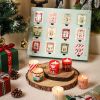
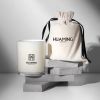
Container candles have emerged as the undisputed leader in product segmentation, reflecting shifting consumer priorities around safety, convenience, and decorative appeal. The container candles segment accounted for USD 7.2 billion in 2025, driven by versatility, convenience, and broad design appeal. By 2026, industry reports suggest that over 60% of all decorative candles sold will be in jar formats.
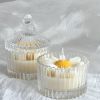
The dominance of container candles is rooted in several consumer-driven factors. First, the glass vessel or ceramic bowl design enhances safety by containing the melt pool—a key factor driving consumer preference and supporting an 18% increase in repeat purchases for brands emphasizing safety features. Second, container formats allow the use of softer waxes like soy and coconut wax, which are known for superior scent throw and clean-burning properties. Manufacturers are innovating with refillable vessel options to align with sustainability goals.
The container-based segment is estimated to witness significant growth through 2030. Its appeal extends across all price tiers—from mass-market offerings in supermarkets and hypermarkets (which captured 43.25% of scented candle distribution in 2025) to premium, artisanal candles sold through specialty and online channels. The olfactory experience is central, with a focus on clean-burning formulations and aromatherapy benefits to improve home ambiance. For candle manufacturers, investing in distinctive container designs—whether minimalist glass, ceramic, or reusable vessels—while ensuring safety and scent performance will be essential to capturing share in this largest and fastest-growing product segment. The trend toward premiumization further amplifies this opportunity: the premium segment is forecast to expand at 11.3% CAGR through 2031, with container candles as the primary vehicle for premium positioning.