Candle Industry Insights
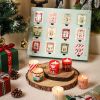
The candle industry has long been defined by its seasonal peaks, with the holiday quarter traditionally accounting for the lion's share of annual sales. According to the National Candle Association, approximately 35% of all candle sales in the United States occur during the holiday season, driven by gifting, home entertainment hosting, and the heightened consumer attention of the October through December gifting window. For many retailers, this period accounts for 38–40% of their annual sales, underscoring the enduring importance of holiday gifting within the candle industry. Bath & Body Works' 14th Annual Candle Day in December 2025 featured over 180 candle variants at a promotional price of USD 9.95 across both retail and e-commerce channels, demonstrating the scale and commercial power of seasonal demand.
Yet beneath this familiar seasonal narrative, a more profound transformation is underway. Industry analysts observe that category growth is increasingly decoupled from traditional gifting and seasonal cycles, sustained by the normalization of self-care and home-centric lifestyles. Consumers are incorporating candles into their daily routines, driving more consistent replenishment cycles and reducing demand volatility associated with traditional holiday-driven sales peaks. The long-term trend toward home-as-sanctuary has cemented candle usage as a daily ritual for ambiance and self-care, fundamentally reducing seasonality. As a result, the candles market now benefits from a more resilient demand profile, characterized by stronger repeat-purchase behavior and reduced dependence on seasonal sales surges.
This evolution is reflected in the numbers. The global candle market is expected to grow from USD 15.0 billion in 2025 to USD 16.0 billion in 2026, reaching USD 21.9 billion by 2031 at a CAGR of 6.8%. The home fragrances market grew from USD 13.94 billion in 2025 to USD 15.25 billion in 2026 and is forecasted to grow at a CAGR of 10.30%, reaching USD 27.71 billion by 2032. Scented candles are projected to grow at a CAGR of 7.21% through 2031, making them the fastest-expanding segment in the home fragrances industry. These figures tell a story of a market that is not merely surviving between holiday seasons but actively expanding through everyday consumption.
For candle manufacturers, this shift carries significant implications. The traditional strategy of relying on fourth-quarter sales spikes is no longer sufficient. Brands that can position their products as daily wellness rituals—through subscription models, loyalty programs, and consistent year-round marketing—will capture the growing segment of consumers for whom candles have become an essential part of everyday life. The seasonal peak remains important, but the real growth opportunity lies in building recurring purchase relationships that transcend the calendar.