Candle Industry Insights
The global candle industry is being reshaped by three interconnected forces: premiumization, personalization, and sustainability. These trends are not new, but their convergence is creating a market that rewards brands capable of delivering sensory excellence, emotional relevance, and environmental responsibility simultaneously.
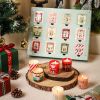
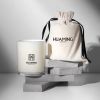
Premium fragrance integration is transforming the category from commodity to experience. Industry research identifies premium fragrance integration, eco-friendly and biodegradable materials, customizable and personalized candles, seasonal and festive collections, and health and wellness-oriented candles as the major trends shaping the market. The growth of aromatherapy products, expansion of premium and decorative candle designs, and increasing customization of fragrance blends are all driving consumer interest and willingness to pay higher prices.
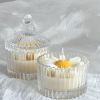
The global scented candles market was valued at USD 1.96 billion in 2025 and is projected to reach USD 4.42 billion in 2026, with forecasts extending to USD 6.64 billion by 2034 at a CAGR of 5.22%. Europe led the market in 2025, but the fastest growth is occurring in emerging markets where rising disposable incomes and e-commerce access are expanding the consumer base. The key drivers include shifting consumer preferences, growing focus on wellness and ambiance, and premiumization and gifting culture—with consumers increasingly valuing design-led vessels, handcrafted quality, and seasonal collections.
Sustainability is no longer a differentiator but a baseline expectation. The global shift toward sustainable, natural, and non-toxic home fragrance products is expected to benefit product adoption across all markets. Industry recommendations emphasize that brands should prioritize product portfolios balancing performance, safety, sustainability, and emotional appeal, with high-opportunity segments including premium scented candles, soy and blended natural wax candles, aromatherapy candles, refillable vessels, and gift-ready formats.
For candle manufacturers, the strategic implications are clear. Success requires simultaneous investment in fragrance innovation (to capture premiumization), customization capabilities (to serve personalization), and sustainable sourcing and packaging (to meet regulatory and consumer expectations). Manufacturers that can deliver on all three dimensions will build durable competitive advantage in an industry that is evolving from a traditional household product category into a premium, fragrance-led, wellness-oriented, and design-driven sector.