Share of real cases from customers
The Client:
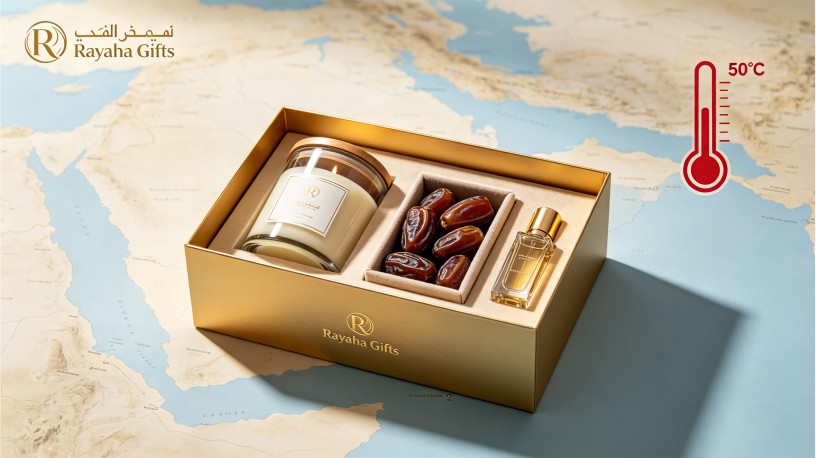
Rayhana Gifts – a Jeddah‑based manufacturer of corporate gift boxes (candles, dates, perfumes). Their clients include oil companies, banks, and five‑star hotels across the Gulf. Summer temperatures in Saudi Arabia regularly hit 48–50°C during shipping. Their previous candles would soften, deform, or even leak through the packaging.
The Pain Point:
In 2024, Rayhana lost a SAR 187,000 ($50,000) contract because 40% of candles arrived as “wax puddles” inside the gift boxes. Their supplier (from Turkey) used a standard soy blend with a melting point of only 52°C – fine for Europe, disastrous for Saudi summers. Even air‑conditioned warehouses couldn’t protect the candles during the 2‑hour truck ride from the airport. Rayhana’s founder, Hana, needed a candle that could survive 55°C for 24 hours without bending or sweating.
Our Solution – Thermal‑Engineered Candle:
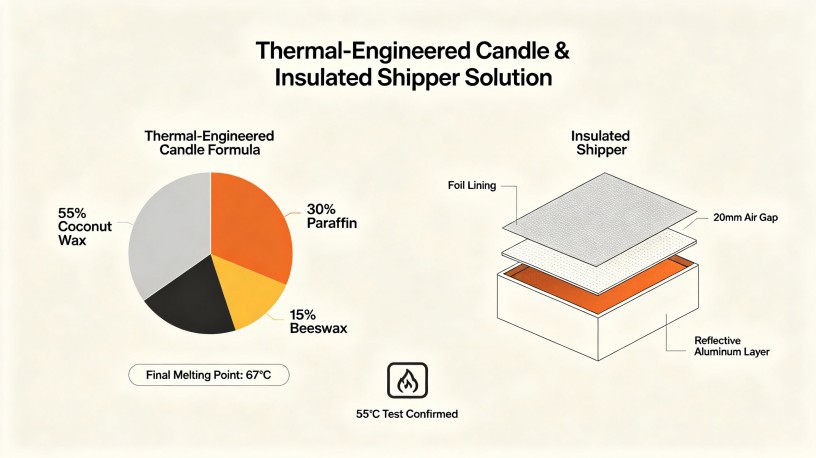
We developed a high‑melt coconut‑beeswax hybrid specifically for hot climates.
55% high‑melt coconut wax (melting point 68°C)
30% pharmaceutical‑grade paraffin (melting point 64°C, but we use a low‑oil version to keep clean burn)
15% beeswax (raises structural integrity and adds a natural honey scent that fits Middle Eastern preferences)
Final melting point: 67°C – 15 degrees higher than standard candles.
Packaging innovation: We replaced standard cardboard boxes with foil‑lined, insulated shippers (20mm air gap + reflective aluminium layer). We tested them in a heat chamber: 55°C for 48 hours – internal temp never exceeded 38°C.
The Process:
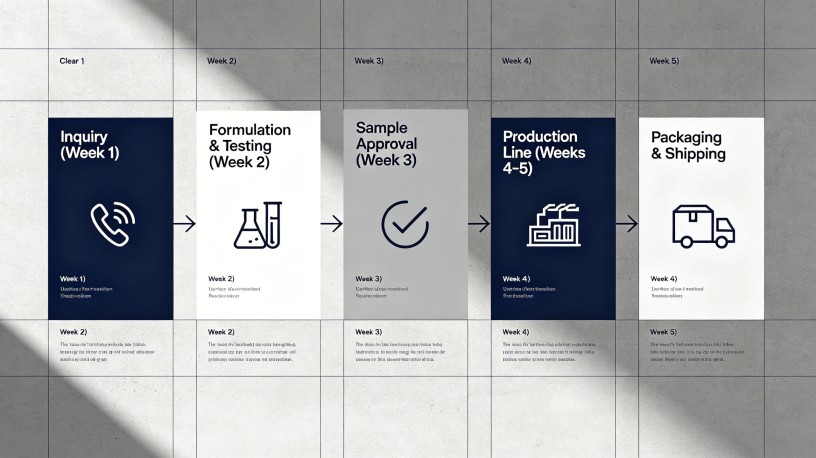
Week 1 – Inquiry: Hana sent a desperate email on June 10. “We have a 15,000‑candle order for Aramco’s anniversary. Delivery in August. Please help.”
Week 2 – Formulation: Our lab sent 3 wax blends to Jeddah via DHL (with ice packs). Hana left them in a parked car for 6 hours (car interior reached 70°C). Blends #1 and #2 softened but held shape. Blend #3 (the coconut‑beeswax‑paraffin mix) was still firm.
Week 3 – Sample approval: We made 50 full candles and shipped them via economy air (no special handling). They arrived with zero deformation. Hana signed off.
Production: 15,000 candles, 3 scents (Oud, Rose, Amber). We ran them on two lines for 9 days. Every 500th candle went through a “heat stress test” – 60°C for 4 hours.
Packaging & Shipping: Each candle was wrapped in a foil bag (heat‑sealed), then placed into the insulated shipper. We palletised and added a thermal blanket on top. Shipped by sea (18 days to Jeddah) – deliberately slower to avoid air cargo heat spikes.
The Result:
Zero melted or deformed candles reported. Out of 15,000 units, only 6 had minor label peeling (humidity, not heat).
Rayhana delivered the Aramco order on time. Hana received a personal thank‑you from their procurement director.
Repeat order: 30,000 candles for the next year’s Ramadan season, plus a new client (a Qatari hotel chain) who heard about the heat‑resistant formula.
Hana’s shipping insurance cost dropped by 60% because insurers now classify her candles as “heat‑stable cargo”.

Why Our Factory Is Unique for Hot Climates:
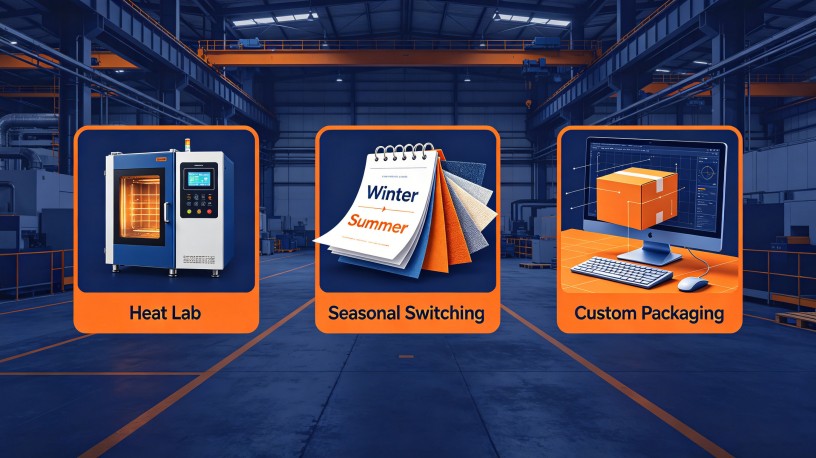
Heat lab – we own a programmable temperature chamber (-20°C to +80°C). We test every “hot climate” recipe for 72 hours before shipping.
Seasonal formula switching – we automatically offer summer blends (higher melt point) for clients in GCC, Florida, Texas, and Australia from May–September.
Insulated packaging design – we don’t just put candles in a box. We calculate thermal mass, transit time, and max expected temperature, then custom‑engineer the packaging accordingly.
For manufacturers like Rayhana, we turn “melted disaster” into “desert‑proof reliability” . No more lost contracts, no more wax puddles – just perfect candles, even at 50°C.