Candle Industry Insights
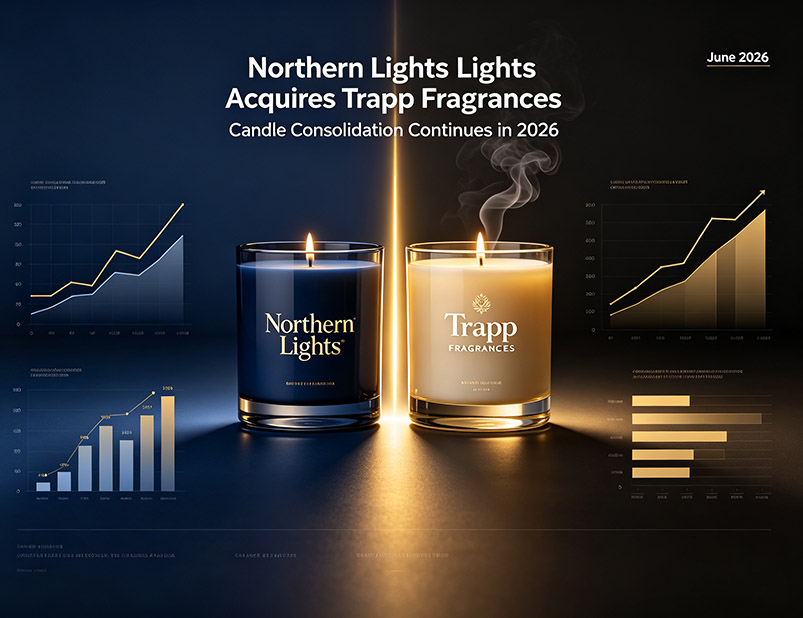
The candle and home fragrance industry's consolidation trend continues to accelerate, with Northern Lights welcoming Trapp Fragrances into its portfolio in June 2026. The acquisition aims to preserve the brand's iconic scents while growing with new product launches, reflecting a broader pattern of strategic acquisitions that is reshaping the competitive landscape .
This transaction follows several other notable deals in the sector. In February 2026, K. Hall Studio acquired Homesick from WIN Brands Group, expanding its fragrance offerings with a focus on storytelling and United States manufacturing. The acquisition of Homesick, a brand built around location-specific and nostalgia-driven scents, signals that acquirers are valuing not just manufacturing capacity but also brand equity and emotional resonance with consumers . Earlier in 2026, Premier Candle US Corp. acquired Mayfield Consumer Products, a long-standing candle and home fragrance manufacturer in Kentucky that has played a key role in the local economy for decades, producing candles and fragrance products for major retailers .
The consolidation wave is being driven by several factors. Established players are seeking to expand their capabilities and capture new market segments, while also strengthening supply chain control. The Estee Lauder Companies' integration of luxury candle capabilities from Contract Candles into its United Kingdom operations, announced in June 2026, exemplifies this trend. The move includes taking over the lease of one of Contract Candles' facilities, bringing approximately fifty employees into the business, and adding research, development, and quality functions. Following the integration, the United Kingdom will become the primary manufacturing base for candles across Estee Lauder's prestige brands globally .
For candle manufacturers, the consolidation trend carries mixed implications. On one hand, acquisition activity signals that candle and home fragrance assets are valued by strategic buyers, creating exit opportunities for founders and shareholders. On the other hand, the growing concentration of manufacturing capacity and brand portfolios among larger players intensifies competitive pressure on independent manufacturers. Smaller and mid-sized manufacturers should consider strategic partnerships, niche specialization, or efficiency improvements to remain competitive. Manufacturers with distinctive capabilities in fragrance development, sustainable production, or artisanal craftsmanship remain attractive partners or acquisition targets even as the industry consolidates, because large acquirers continue to need specialized expertise and differentiated product offerings.