Candle Industry Insights
The global candle market is undergoing a fundamental structural transformation, evolving from a traditional household product category into a premium, fragrance-led, wellness-oriented, and design-driven industry. This shift is reshaping competitive dynamics, consumer expectations, and the strategic priorities of manufacturers across the value chain .
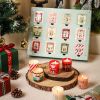
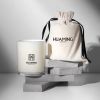
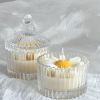
Demand remains resilient because candles serve multiple roles simultaneously: ambience creation, gifting, self-care, ceremonial use, religious observance, hospitality enhancement, and seasonal decoration. This multifunctionality insulates the category from downturns in any single use case while creating multiple avenues for growth. Industry analysis identifies high-opportunity segments including premium scented candles, soy and blended natural wax candles, aromatherapy candles, refillable vessels, limited-edition seasonal collections, religious and ceremonial candles, travel tins, and gift-ready formats .
The strongest opportunities will favor companies that combine distinctive scent development, reliable burn performance, compliant labeling, sustainable materials, attractive vessels, and compelling brand storytelling. Quality assurance has become a differentiator rather than a baseline expectation, with leading manufacturers focusing on wick selection, wax-fragrance compatibility, soot performance, glass integrity, container heat resistance, flame height, scent throw, tunneling control, and stable burn behavior .
Regional dynamics reveal distinct opportunities. North America and Europe provide mature, high-value demand characterized by premium gifting culture and sophisticated consumer expectations. Asia-Pacific offers scale through e-commerce, urban lifestyles, and domestic manufacturing capacity, with China leading in decorative and lifestyle products, India combining gifting and religious use with rising demand for scented candles, Japan favoring refined design and subtle fragrance, and South Korea shaped by lifestyle retail and premium fragrance experimentation. Latin America, the Middle East, and parts of Africa offer expanding commercial potential, with Brazil representing a key opportunity supported by a large consumer base and strong beauty and fragrance culture .
Commercially, industry leaders are advised to use search data, consumer reviews, social listening, and retail sell-through indicators to identify scent trends and optimize product discovery. Building omnichannel distribution across marketplaces, owned e-commerce, specialty retail, hospitality, corporate gifting, and seasonal retail programs can reduce dependence on a single sales channel. Artificial intelligence, e-commerce, and data-led merchandising are expected to further increase the advantage of brands that can respond quickly to consumer preferences, regional fragrance expectations, and seasonal demand cycles .
For candle manufacturers, the strategic implication is clear: success in this evolving market requires simultaneous investment in sensory excellence, sustainability, design, and digital capability. Manufacturers that continue to compete primarily on price or production efficiency will face margin compression and declining relevance. Those that reposition themselves as partners in wellness, design, and emotional experience will build durable competitive advantage in an industry that is becoming more sophisticated, more segmented, and more demanding of authentic brand value.