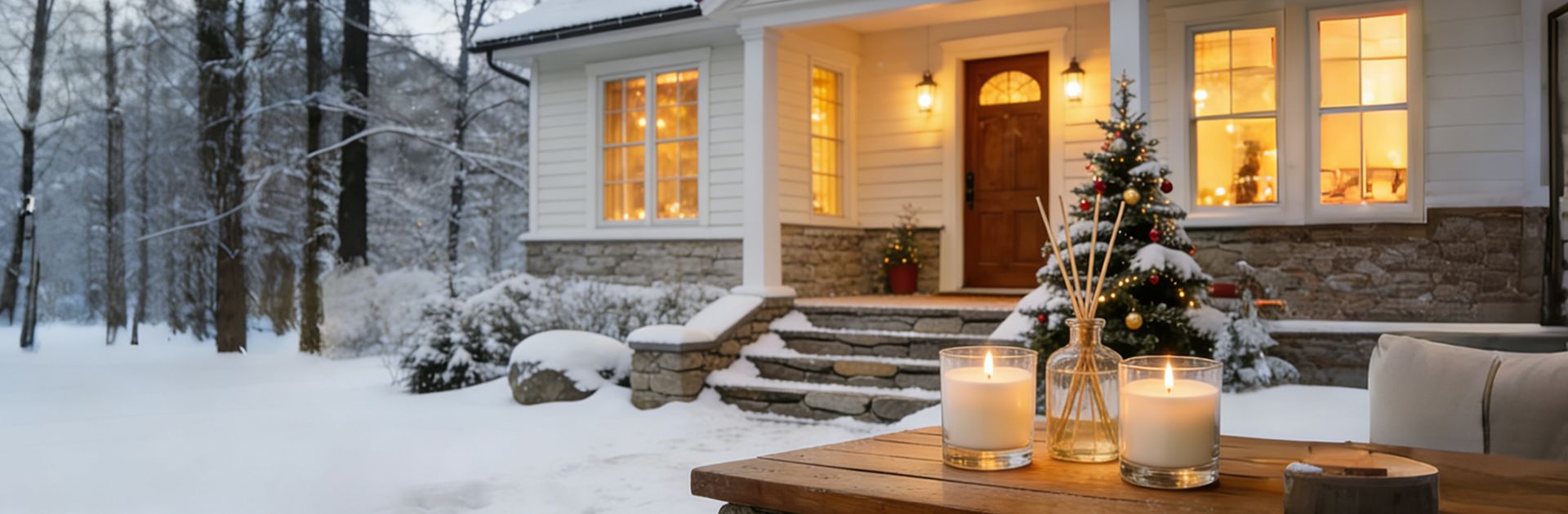
Candle Industry Insights
Fragrance preferences in the candle and home fragrance industry are evolving rapidly in 2026, with consumers gravitating toward natural, traditional, and wellness-oriented scent profiles that reflect broader shifts in lifestyle values. Industry research highlights growing demand for natural and soy-based candles, rising popularity of aromatherapy products, expansion of premium and decorative candle designs, increasing customization of fragrance blends, and enhanced focus on clean-burning wax formulations as key trends shaping the market .
In the Chinese market, Douyin E-commerce data reveals that agarwood, sandalwood, gardenia, pomelo leaf, osmanthus, and mugwort have emerged as trending fragrance types, reflecting consumer interest in traditional Chinese aroma culture, natural plant-based scents, and Chinese aesthetics . The "natural" selling point was the most important purchase driver for incense and line incense products, accounting for 19% of sales, alongside "home use" and "indoor" scenario selling points . "Chinese style," "traditional method," and "sandalwood" also performed strongly, indicating a revival of interest in Eastern fragrance traditions .
In the car fragrance segment, consumer preferences are distinctly different. "Long-lasting" dominated with nearly 40% sales share, followed by "ornamental" and "light luxury" positioning, indicating that car fragrance consumers seek functional performance combined with aesthetic and quality attributes . The functional, visual, and quality dimensions of car fragrance have become multi-layered consumer expectations that single-function products cannot satisfy .
Globally, the scented candles market is being shaped by wellness positioning and clean-label expectations. Consumers increasingly connect wax origin with burn experience, soot levels, sustainability, and brand credibility, favoring suppliers that can explain why a wax system was chosen and how it supports both performance and transparency . This shift gives premium and direct-to-consumer brands more room to justify higher pricing, especially when the wax narrative is tied to vessel reuse, refillability, or responsible sourcing .
The broader home fragrance market reflects these trends. Consumers are actively using fragrances to elevate ambiance, personalize interiors, and improve overall home comfort, with continuous product launches aligned with changing decor themes and seasonal preferences encouraging repeat purchases and experimentation . Fragrance longevity, quality, and design are increasingly prioritized, reinforcing the market's long-term growth potential .
For candle manufacturers, staying ahead of fragrance trends requires investment in scent research, consumer insight, and formulation flexibility. The shift toward purpose-driven aromatics that promise relaxation, focus, or restorative sleep is influencing formulation choices and marketing language. Manufacturers that can combine sensory excellence with authentic storytelling about ingredients and sourcing will build lasting competitive advantage in an increasingly sophisticated market.